


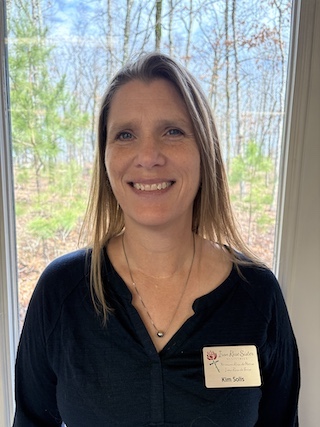
 Written by Kim Solis, volunteer with Iron Rose Sister Ministries in Oregon
Matthew 9:37–38 says:
The harvest is plentiful, but the workers are few.
Ask the Lord of the harvest, therefore, to send out workers into his harvest field. (NIV)
Whenever I think about this passage, I picture men and women working in a field, gathering the harvest from what has already been planted. It is hard work, the kind of work most people would rather avoid. It requires time, effort, and energy, resulting in aching backs, rough hands, dirty knees, and often blood, sweat, and tears.
Many sermons, lessons, and exhortations focus on asking Christians whether we are working in the field, participating in the harvest by talking to people about God and explaining His plan of salvation.
The Spanish TLA (Traducción en Lenguaje Actual, or Translation in Contemporary Language) says:
Jesus said to his disciples, “There are many people who need to enter the kingdom of God, but there are very few disciples to tell them the good news.
So ask God to send more disciples to share the good news with all those people.”
Working in the field, harvesting = proclaiming and sharing the good news with people.
Many times, we think the right way to “evangelize”—to share the good news—is primarily through evangelistic campaigns, knocking on doors, or handing out flyers in the street. And often the approach begins by pointing out people’s sins or errors: telling them they are lost, that only Jesus can save them, that they need to repent and be baptized for the forgiveness of their sins, and rise with Him to a new life.
I agree with that message. What I question is whether pointing out what is wrong and correcting people should be the starting point.
The good news is, after all, GOOD.
It announces that the lame can now walk, the deaf can hear, and the captives have been set free. In the gospels, Jesus’ strongest rebukes were directed toward those who already knew the Scriptures and claimed to know God. But when He approached the hurting, the marginalized, and those who were far from God, He often began by meeting their physical needs and, perhaps even more importantly, their emotional ones. He offered compassion, acceptance, dignity, and friendship. And from within that relationship, He taught them a new way to live.
First Peter 3:15–16 says that we should always be prepared to give a defense for the hope that is within us.
That means there must first be a hope within us that others can see.
People notice our peace, our hope, the way we love, and the way we live. And that difference should naturally lead them to ask why something is different about us.
But being a worker in the field also involves much more than speaking words of explanation or instruction.
No harvest would ever happen if someone had not first planted, watered, and cultivated with intention, attention, patience, care, and love.
Paul’s words in 1 Corinthians 3:6–7 come to mind:
I planted the seed, Apollos watered it, but God has been making it grow.
So neither the one who plants nor the one who waters is anything, but only God, who makes things grow. (NIV)
When we show people mercy, when we are generous with our affection, our resources, and our time, when we help, encourage, and walk alongside others, we are planting, watering, and cultivating, even before we ever open the pages of a Bible.
First John 4:11–12 says:
Dear friends, since God so loved us, we also ought to love one another.
No one has ever seen God; but if we love one another, God lives in us and his love is made complete in us.
People cannot see God. But when they see the love we show one another and the love we extend to those around us, they can catch a glimpse of Him. God becomes present among us, and His love is made visible in a way others can experience.
That, too, is sharing the gospel.
That, too, is proclaiming the good news.
That, too, is taking part in the work of the field and the harvest.
So, what are you doing today to participate in the work of the field?
Are you planting?
Are you watering?
Are you cultivating with love, generosity, and mercy?
Or perhaps today is a day for harvesting—being ready to explain the hope within you and to tell someone that the same hope is available to them.
We do not all do the same part of the work at the same time.
Some plant. Others water. Others harvest. But God is the One who gives the growth.