

-
God Always Knows
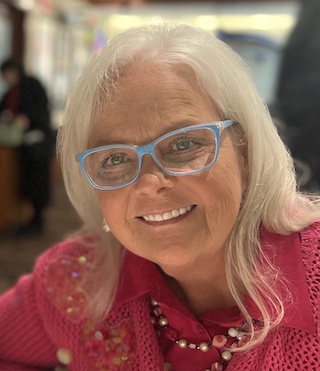 Written byElesa Goad Mason, volunteer with Iron Rose Sister Ministries in Texas
 Have you ever loved something or someone so much that you knew in your soul God had a plan for your life with your greatest desire in it? Well, even if you don’t, Jacob did— at least when it came to love. In the beginning of Genesis 29, Jacob begins his journey to find a place to work and live, with his mother’s brother Laban. He needed to find a place to “hide out” to avoid his brother Esau’s anger and desire to kill him for pulling off the successful “deceit of the century” of his father, Isaac, for Esau’s birthright and blessing as the oldest son.
Fear took him there, but love at first sight kept him there in Harran. After staying with his uncle for a month, Laban approached Jacob about a paid position working for him.
Jacob was in love with Rachel and said, “I’ll work for you seven years in return for your younger daughter Rachel.” (Ge 29:18)
Laban readily agreed, and the beautiful wedding was set in motion. However, upon waking up after the wedding night, when the alcohol wore off and the veils were removed, to his dismay, Jacob realized that he had bedded Leah, the older sister, instead of his heart’s desire.
Therefore, he was tricked into an additional seven years. The next morning, Jacob’s ranting led Laban to agree to let Jacob marry Rachel after he completed Leah’s one-week marriage bed, but only with the guarantee of seven more years of labor. I often wonder why Jacob was so shocked at the whole plan. After all, wasn’t it his own deception and struggle for redemption that landed him there in the first place?
By marrying both daughters, he created a very complex, eclectic family of his own. Both women competed for his love and attention. In biblical times, the sign of a successful wife was a fertile woman who could bear many children for her husband, particularly males who would carry on the name as well as the bloodline of the father. Leah, the older daughter of Laban, was described as tender-eyed, while the younger, Rachel, was described as lovely in form and beautiful. It was well known that Jacob deeply loved Rachel and was silent about his feelings toward Leah.
This rivalry leads to the birth of twelve sons, who become the ancestors of the twelve tribes of Israel. The birth of these sons symbolizes the continuation of Jacob's lineage and the fulfillment of God's promise to make his descendants as numerous as the stars.
I often wonder how taking circumstances into our control, such as Laban deceiving Jacob with the “wife switch” wedding ordeal, shows the glory and compassion of the Lord in ways we could never imagine. Leah may have thought she was getting quite a catch, but in the end, she turned out to be unloved and unwanted. God showed Leah empathy by opening her womb to six sons for Jacob, who had no idea during his lifetime what she really did for him… More than 30 generations later (Mt 1), Jesus was born through the line of Judah, Jacob’s fourth son through Leah. Who knew!? God knew!
God uses our unmet expectations to meet His needs— His plans for us. The smile across the grocery store, moving out of the way of an impatient driver, helping a stranger who appears to be in need are ways in which we may have no idea that we are meeting God’s expectations of us. And that’s just the little stuff. When children run away, when marriages fail, when dear friends pass away much sooner than we think they should, God has a purpose and a plan for everything in our lives and decisions.
When we just can’t understand why our plans aren’t turning out the way we had hoped they would, we must believe that God may be changing the wedding ceremony from the dress rehearsal for a reason.
Find a way to encourage those in your lives, including yourself, to trust in the journey deviations that God places in our path to fulfill His desire for salvation for everyone (2Pe 3:9).
-
God Demands Our Love
 byElesa Goad Mason, volunteer with Iron Rose Sisters Ministries in Texas
 I have a message from God in my heart concerning the sinfulness of the wicked: There is no fear of God before their eyes. In their own eyes they flatter themselves too much to detect or hate their sin.(Ps 36:1-2 NIV)
I spent the first 13 years of my life growing up with one brother. Typical brother/sister relationship; friends one minute, then not the next. We never really had that much in common, so our lives and interests went in different directions. It wasn’t until after college when we both were married and building our own families that we grew closer and were more involved in each other’s lives.
Fast forward many years to when most of our children were grown and our lives were successfully running full steam ahead, or so it seemed. One afternoon at the end of a long day, I received a call from him, emotional and very remorseful. He felt God had placed it on his heart to confess a sin that could put his life as he knew it in jeopardy. I was stunned because, other than dad, my brother was the one person in my life whom I felt had such a strong relationship with the Lord that I never dreamed he would ever have to confess a sin publicly, much less to me privately. I was crushed by his sorrow but also amazed by his strength to do the right thing, not knowing the consequences, and to begin a process of confession and subsequent healing that has taken many years to complete.
Since the beginning of time, God has used the sinful nature and weaknesses of man with various personalities to fulfill His will and accomplish His purposes. Apostle Peter comes to mind readily as a sinful man who was impetuous when he quickly lost his faith in Jesus and began to sink in the stormy waters out of doubt and fear (Mt 14:29-31), and as an impulsive man who cut off the ear of Malchus, the high priest’s servant, out of anger because they were arresting Jesus in the garden that fateful night (Jn 18:10). He also quickly declared his loyalty to the Lord and just as quickly denied him three times to protect himself from the angry mob (Mk 14:66-72).
It's so easy to have good intentions in doing the right thing, and just as easy to not. All of that about Peter is to say that God used him in miraculous ways for His will. God channeled Peter’s bold nature to speak an amazing sermon that resulted in the salvation of over 3,000 souls and used him as a pillar in the New Testament church (Ac 10, 15). God is loving and forgiving and used the sinful natures of many people to complete His spiritual purposes; David, “a man after God’s own heart,” Moses, Jonah, Rahab, and the list goes on and on.
After recently talking with my brother, who graciously relived a very difficult time in his life to help me, he explained that, like David in Psalm 38 after his sin with Bathsheba, he felt physically sick and totally crushed down by the Lord because of his sin. He, my brother, had no choice but to confess his sin to his wife and family and throw himself on the mercies of the Lord and those he loved dearly to face whatever consequences he was given. He believed with all his heart that his salvation was because of Jesus on the cross, and not for anything he’s done or could ever do.
God’s favor in us is because of His covenants and promises, period.Like David, despite his sinful nature, God blessed my brother beyond measure, full and packed down. He blessed him with an amazing wife and a long, beautiful marriage, and children and grandchildren who look up to him and honor him as a man of God. As do I. And like Peter, God uses my brother as a pillar in the spiritual community both locally, statewide, and around the world. All because he chose God over sin.
Our relationship with God is wholly dependent on our grateful hearts and true penitence in our sinful natures. God wants to be first, to be loved, and to be trusted in all aspects of our lives and everything we do. Confession is part of that. But living a life with less judgment, filled with loving others more than ourselves, is equally as important in our journeys through this life.
Our reward is an eternity with the very God we worship and the ones we love dearly who have gone before and will follow us after we’re there. I can’t wait!
-
God is Faithful to His Promises
 Written by Marbella Parra, volunteer with Iron Rose Sister Ministries in Honduras
In the course of our lives, we find many promises that lead us to put our trust in someone, based on something happening in the future. There are promises we make to other people, and promises that have been made to us. Some have been fulfilled and others, on the contrary, have been forgotten. For this reason, we decide if we can trust someone or not since, after someone hasn’t fulfilled their promise, we are more careful with that person the next time.
We can surely think of many different opportunities in which we hoped in something that never happened and moments in which we felt let down because they have failed us. However, I am sure that we have also had many moments in which a promise has confirmed that we are with the right person and, at the same time, our confidence in that person grows.
If we had the opportunity to put our full trust in someone that will never fail us, that ideal person is definitely God. There is no doubt that He is the greatest example we have of faithfulness to His word. From the creation of the world, He has fulfilled all the promises He has made. The history of God’s people allows us to realize the plan that He has for the salvation of the world and the blessings for His people. In middle of that whole story, we can note the special love that God shows for humanity and how everything He does is in fulfilment of the promise that one day humans will be able to enjoy a better world—a perfect world together with Him for eternity. To that end, He promised to send a Savior, His Son Jesus Crist. This promise can be seen from the Old Testament and we can also see how each word was fulfilled in the New Testament, a promise so great that it reaches all the nations of the Earth.
In the gospel of Matthew, one can see how God’s plan was realized, shown through the genealogy of Jesus and the important role each person had, at their time, and how each one was used by God to fulfill His word. In chapter 1, it is highlighted in this way,
“All this took place to fulfill what the Lord had said through the prophet: “The virgin will conceive and give birth to a son, and they will call him Immanuel” (which means “God with us”)” (Matt. 1:22-23).
These words remind us that the Lord has always been present and has shown His love for humanity. Through the incarnation of Christ, one of His most important promises was fulfilled. Even more interesting is that this promise is confirmed again at the end of Matthew. In Matthew 28:20, it says,
“…and teaching them to obey everything I have commanded you. And surely, I am with you always, to the very end of the age.”
Twice it is stated that He is with us, and we already know that the word of God is trustworthy. We can be certain that everything that God has prepared and has promised previously will be fulfilled.
Now, the question we must ask ourselves is, are we willing to trust in Him unconditionally? If He is the one who has shown, since the beginning of the world, that He wants what is best for us, that He wants to grant us salvation, and that He wants us to be with Him for eternity, are we willing to be faithful to Him no matter what our circumstances? He does not promise us a rosy, easy life in this world. So, without considering the disillusions that we have faced, or that we will have to face while we are on this earth, are we clinging to Him, trusting that He has better things prepared for us?
It doesn’t matter how many people have failed their promises, we have complete confidence that we have a God who never lies and has made us beautiful promises.We need to not allow difficult things in life to cause us to forget what is waiting for us in eternal life. Rather, we should remember that the Lord is with us, guiding our steps, lifting us up when needed and taking our hand to lead us forward.
He is giving us unconditional love every day. If we continue to be faithful, trusting that everything we believe has not been in vain, and that an incorruptible crown is waiting for us in the presence of our Lord. In the same way that God fulfills His promises, we also should be faithful to the commitment we have made to our heavenly Father until the end of our days.
And you, do you trust in the Lord’s promises?
-
God's Covenant with Abram
Written by Aileen Bonilla, volunteer with Iron Rose Sister Ministries in Ecuador

The word covenant in the Hebrew language is "berith" and it means alliance, specifically God's alliance with man. It also denotes God's steadfastness in fulfilling His promise (“Berith,” online resource).
Jehovah in His sovereignty sought Abram to make a covenant that would be a blessing to all humanity. It is incredible how God, despite knowing how unfaithful we are, continues with His plan to fulfill a specific purpose.
When Abram was ninety-nine years old, the Lord appeared to him and said, “I am God Almighty; walk before me faithfully and be blameless. Then I will make my covenant between me and you and will greatly increase your numbers.”(Gen. 17:1-2 NIV)
God asked Abram for two things: faithfulness, that is, not following other gods, and holiness. We may think that it would have been easier to be a woman of faith living in the time of Abram, possibly because it seems that there was not as much evil in the world, and there was no influence of social media. But the reality is that the amount of evil was the same then as we face today. There were many gods, and it was easy to be persuaded to follow them. But despite those temptations, God still demanded fidelity and holiness from Abram.
If we look at the order of the words in the Genesis passage, we understand that without faithfulness to God, it is impossible to have a life of holiness. These words are not independent of one another, but quite the contrary, they go together. We will not be able to lead a blameless life if we are constantly unfaithful to God. We may not be worshiping clay or ceramic gods, but in our hearts, there may be many idols that significantly interfere with our spiritual growth. These idols can be disguised as people, work, professions, social status, etc. I'm not saying that these things are bad—not at all. For example, who does not need to work to live? As long as we don't place our trust in our profession, it will not hurt us.
To serve God correctly, in the way that He desires, it is necessary to abandon our gods or idols. Then our hearts will be open to a pursuit of faithfulness and holiness.
Recently, in the ministry where I serve with my husband, I went through a difficult time. I put my trust in a brother who was very special to us. I thought he would defend our work, but ultimately, he didn't. Perhaps because he came from a family lineage that set a great example and he always seemed to show a pacifying nature, I realized that I was holding him up as an idol in my heart. I learned with much pain that I needed to leave this struggle to God, who judges everything fairly. I learned not to depend on human beings, but to directly ask guidance from the Provider of all things, and to understand that God in His sovereignty has everything under control. I also learned that when I want to control everything, I am not giving God space in my life.
God's wonderful promise to Abram was a firm, everlasting covenant that would bring an incredible blessing— innumerable offspring like the stars in the sky. Because of his and Sarai’s old age, this seemed impossible. Once again Abram did not understand that it was not about what he could do with his own strength, but about the power of El Shaddai. Abram had not done anything extraordinary to deserve this covenant—El Shaddai sought him out and completely changed his life.
After God's first visit in Genesis 15, when Jehovah promises them a son, Abram and Sarai continued to make mistakes. One of the most obvious was when Abram had sexual relations with his Egyptian slave, even though God promised him that he and Sarai would have an offspring. We can see that we lose focus quickly despite knowing God's promises. Sarai wanted to control the means by which Abram would have a son, forgetting that Jehovah is the One Who can make all things possible. She was eventually reminded that Jehovah is not a human being, He does not lie, and His covenant is eternal (Num. 23:19). Let us not forget that our hope should not be put in human beings, but in the Giver of Life.
At that time, El Shaddai promised Abram offspring too numerous to count. Today we see this promise reflected in the church through the wonderful redemptive work of His Son Jesus Christ. Therefore, let us put our trust in God and not in people, especially not ourselves.
-
Great and Faithful
 Written by Sadia Morales de Mendoza, volunteer for Iron Rose Sister Ministries in Mexico
God’s promises are wonderful and sustain me in a world that is upside down. What about you? Have they sustained you? When I have felt most alone, I have been told, "I am with you always, to the end of the age" (Mt 28:20b, ESV).
I remember when I arrived in Mexico, I was just twenty-one years old. Leaving our country of origin was not easy, but migration has always existed. Maybe you have left your city or your home for work or other plans without knowing whether everything would be okay, or thinking nothing would go the way you think. It is there that God's promises take on value and truth.
When I first arrived, I missed my family, siblings, and the church so much. It can be difficult to express what we feel when others think we are the happiest in the world because we are fulfilling a dream or a clear answer from God, but we are in a new place, scared and fearful. I remember this promise: "I sought the Lord, and he answered me, and delivered me from all my fears" (Ps. 34:4). It’s been twelve years in which His promises have been great and faithful, and they have sustained me. "For I know the plans I have for you, declares the Lord, plans for welfare and not for evil, to give you a future and a hope" (Jer 29:11). I believe and trust Him.
The sisters, brothers, elders, youth, and children of the church have become my family. I see in them part of every family member of mine. But even with them, I have sometimes felt lonely, nostalgic, and scared, like a child in the dark of night, waiting for my mom to turn on the light and kiss me on the forehead. But since she can't because of the distance between us, even though I know she won't stop praying for me, I turn to the one true God who can be here with me as well as with her in Honduras. I am reminded of Psalm 121:4-5. "Behold, he who keeps Israel will neither slumber nor sleep. The Lord is your keeper; the Lord is your shade on your right hand.”
And we are given another promise: "And the peace of God, which surpasses all understanding, will guard your hearts and your minds in Christ Jesus" (Php 4:7). If He's done it for me, He'll do it for you.
So, even if your path is difficult—you are changing cities, you are leaving your home country, or you are starting over in a place to which you are adapting—the Lord Jesus will sustain you. He will guard your coming and your going from now until forevermore. And He'll fight for you. So do not turn away from Him, either to the right or the left. Keep on the path, and He will guard your soul. Believe in His promises! Be faithful, for He is faithful; and let us clothe ourselves in love, which is the perfect bond.
God can turn difficult situations into blessings and our bitterest experiences into a sweet testimony of His grace and power. Let us give thanks that His promises sustain us, and in them, we will forever trust.
His promises are many, but which one has been your favorite in the different stages of your life? Can you recognize any?
May the Lord bless your life. He will always keep His promises. Don't stop believing Him!
-
He Is Always There
 Written by Johanna Zabala, volunteer with Iron Rose Sister Ministries in Ecuador
We cannot always be there to teach others directly, but God, the Architect of Life, in His great promise of love, left us the great Comforter, the Holy Spirit, who will always be with us to guide and teach us (John 14:26).
From the beginning, our Creator has given us precious samples of His immense faithfulness (Gen. 1-2; Ps. 19). For this reason, my beloved, when Jesus was here on earth, He experienced situations similar to ours. He was born, raised, taught, modeled, died, and rose again out of love for all mankind (John 3:16-17). For this reason, I certainly consider that when we read about His life and work, He teaches us infinite truths that only come from Him.
By living a life in Christ, there are many opportunities that, as Christian women, mothers, daughters, and citizens, we have to teach and instruct each other. We likely communicate knowledge in different ways and in different situations where we find ourselves. Daring to teach and instruct the precepts of the Heavenly Father is a divine privilege that leads us to obey His commandment to go and make disciples in every nation, teaching them what He Himself has commanded in order to increase their faith and belief that He will be with us every day until the end of the age (Matt. 28:16-20).
From the moment I was baptized, I have been learning to be a disciple of the Lord. My brothers and sisters in the same faith were in charge of igniting the flame of instructing me in the path leading me to fulfill the most significant profession of serving the Almighty. Some of them are no longer here on earth, but I continue with the teachings that they instilled in me.
I became a mother at the same time that I met God, and I am grateful with all my being, and to the glory of God, because my first daughter grew up in the instruction of fearing and loving the Lord; this brings peace to my heart (Prov. 22:6). Confident in the divine magnificence and in biblical promises, I have always believed in the power of the Holy Spirit and His guidance in everything that lies ahead and as the light that illuminates my feet in each step that I take (Ps. 119:105).
In my experience as a mother, I can say that the transformation that has been done in me served as an example and will continue to show steps for my daughter to continue growing toward the goal of gaining eternal life.
Every day, immersed in faith, I have learned to be constantly under the direction of the Holy Spirit, sharing the Word, praying and being in communion with others, continuing to follow the example of Christ, who despite not being here physically, allows us to follow His beautiful footsteps while holding His hand.
The particular result that we achieve, by learning directly from the grace of the One who knows everything, allows me to continue in the lessons learned, and to continue teaching others in this way at all times. When I no longer am among my friends and loved ones, I know that they will know how to advance in the footsteps of the Master and His teachings, and this conviction arises from His love and from continuing to follow the leadings of the Holy Spirit.
At this moment, my daughter and I are pilgrims or foreigners in other people's lands, and the Holy Spirit has given us many lessons for our edification. I am sure that if we are separated due to travel or other situations, we can remember those lessons to encourage us to always continue learning and teaching others.
The certainty that He is always there and that He will be there until the end of the age motivates me, and hopefully all of us, to consider that, even when we are no longer here, our children, students, or disciples will not deviate for any reason from His commandments and the ultimate goal of eternity with God.
#IronRoseSister #teachthroughrelationships #learnthroughrelationships #intentionalteaching #HolySpirit #preparation #Jesusteaches #blog #guestspeaker
-
His Purpose Defines Our Purpose
 Written by Naijuvelin Diaz, volunteer with Iron Rose Sister Ministries in Venezuela
I know that you can do all things; no purpose of yours can be thwarted. (Job 42:2 NIV)
Many are the plans in a person’s heart, but it is the Lord’s purpose that prevails. (Pr 19:21)
But the plans of the Lord stand firm forever, the purposes of his heart through all generations. (Ps 33:11)
Acknowledging God's absolute power and dominion over mankind affirms His magnificence and sovereignty; no thought is hidden from Him.
The Word says that what God wills, He does; and all things work together for good.
Acknowledging God has control over all things affirms that nothing is beyond His reach. When we recognize His all-fulfilling dominion, we humbly activate the obedience that molds us and orders our steps by clarifying His purpose for us. We can discern His purpose and define our own, for it is He who puts the will and the doing on our timeline. Consider the attitude of Mary, the mother of Jesus, as shown in Luke 1:38, when she said, ""I am the Lord's servant . . . May your word to me be fulfilled," accepting His dominion and counsel. Through her example, I learn that for God to define His purpose it is necessary to accept His will.
For us to enjoy such great salvation, Mary had to make a firm and positive decision in response to the divine plan. She said yes, opening the possibility of that eternal purpose being fulfilled in her. How important it is to open the way for God to act on our behalf (Ps 138:8). It is a way of getting involved in the commitment we have made.
"God is not the God of nonsense," a sister friend with whom I shared pleasant moments meditating and praying told me, “Because what God wants, He does." This is the phrase that strikes me the most. When I experienced my mother's departure from this earth, I clung very tightly to the quote from Romans 8:28 when the whys came to my mind, and the Word comforted me with this: "All things work together for good." At the time, I still did not understand what that good was. Personally, I understood that for her to have left with faith in the Lord was great gain and that, for me and the rest of the family, brought strength and comfort because we were rooted in the faith and hope of those who leave with God. God glorified Himself; I saw it when a family member was converted to Him; I understood then how God worked His purpose amid both sorrow and comfort.
Another example to consider is that God established a purpose when He created us in His image and likeness. However, it is up to each person to recognize and act on it. I can define God's purpose when I am a reflection of willingness and submission to Him, abandon myself into His hands, trust, and obey Him.
His counsel for eternity is immutable. Trusting in His divine plan can strengthen you in every situation. Waiting on His promise can transform darkness into light. The psalmist suggests that we entrust the way to Yahweh; our longings, our thoughts, and our hope in Him, trusting that the best response is the one He has defined.
We have the freedom to make plans and goals, without considering what God has designed, or simply not seeking His guidance. Is it convenient for me or not? Will God agree? How does God see this within His plans? Will He like it?
Yet, entrusting all your plans to Yahweh will bring positive results to your life. He will affirm your thinking, that is, confirm what you should do. When we have a close relationship with God, we get closer to His purposes and can discover what they are. However, you must consider continually seeking Him, and He will make you understand the way you should walk (Ps 32:8).It is through deep connection in prayer and meditation on His Word that we can discover and define His purpose. How ways can you define God's Purpose in you?
-
Holiness: A Separate, Not Perfect Life
 Written byLiliana Henriquez, volunteer with Iron Rose Sister Ministries in Bogota, Colombia.
When you first heard this verse, "Be perfect, therefore, as your heavenly Father is perfect" (Mt 5:48 NIV), what did you think? Did you associate it with "always behaving well"? I don't remember exactly what I thought, but I probably would have had the same thought. That's a pretty simplistic view of what Jesus really meant.
Today, after several years following Jesus, I realize that holiness is not a destination that we arrive at and remain, but a path that we travel day by day. From experience, I am convinced that holiness is a process of transformation whose goal is to make us ever more like Christ: in His actions, in His way of thinking, of treating others, and of living in obedience to the Father's will. In other words, God perfects us little by little, from glory to glory.
What does this imply?
It implies that we have a lot of work ahead of us. The version of us when we started this race cannot be the same as the one that ends it. We should come to the encounter with Christ as transformed women.
What can we do?
- Recognize that following Christ has a cost.
Jesus was clear: following Him means giving one's whole life to Him (Lk 14:25-33). We no longer command ourselves; we have voluntarily decided to let ourselves be guided by Him.
- Obey with submission and love.
If we already recognize that the Father's will is our priority, then we must surrender to Him with trust and love.
- Cultivate an intimate relationship with God.
We are soldiers in an army commanded by God. To fulfill our purpose, we need to hear His instructions and be in tune with Him through prayer, the Word, and constant fellowship.
It is easier said than done.
However, as the saying goes, “Practice makes perfect.” If we want to be women of faith and holiness, we must practice, practice, practice... until our character is strengthened and it becomes more natural for us to bear the fruit of the Holy Spirit in any of its nine "tastes": love, joy, peace, patience, kindness, goodness, faithfulness, gentleness, and self-control (Gal 5:22-23).
It's not going to go perfectly on the first try. But if we continue to strive with the help of the Spirit, we will be holy as He is holy.
I encourage you to keep moving forward, you're doing well!
-
Honest Words from a God with Integrity
 Written by Beliza Kocev, Brazil Coordinator for Iron Rose Sister Ministries
All you need to say is simply “Yes” or “No”; anything beyond this comes from the evil one.
(Mt 5:37 NIV)I was baptized in my late teens and was the only Christian in the family. I have a brother who is 12 years younger than me and I would take him to church on Sundays. At one worship service when my brother was four years old, he was having difficulty staying silent during the Lord’s supper and the offering... So I said, “If you don't stay quiet, we're going home!”
A dear brother, who helped me a lot in my Christian journey, turned to me and said quietly so my brother wouldn't hear, “Are you really going to go home if he doesn't keep quiet?” I replied no. He guided me on the importance of keeping my word, if I say I'm going to do something, I need to do what I committed to.
See, my intention wasn't bad; I was an inexperienced 16-year-old trying to get my brother to be respectful during the service. But I knew I wasn't going to do what I said.
One of the most amazing things about God is that He does what He says! “See, the former things have taken place, and new things I declare; before they spring into being I announce them to you” (Is 42:9). Prophecies give us confidence that just as He fulfilled what He promised the people of Israel, He will also fulfill what He promised us. Imagine experiencing the difficulties of being a Christian and striving to do God's will, denying yourself, without being sure that we can trust what He promised us!
God has integrity. Integrity is a moral principle. Having integrity means all your actions and decisions are consistent and honest. We can trust what He says, “For the word of the LORD is right and true; he is faithful in all he does” (Ps 33:4).
Some characteristics of God that show us that His words are honest:
- God is True.
God is true; He is truth itself. God is absolutely trustworthy and true in everything He does.
God is not human, that he should lie, not a human being, that he should change his mind. Does he speak and then not act? Does he promise and not fulfill? (Nu 23:19)
We know also that the Son of God has come and has given us understanding, so that we may know him who is true. And we are in him who is true by being in his Son Jesus Christ. He is the true God and eternal life. (1 Jn 5:20)
- God is Faithful.
God is absolutely trustworthy. His words don't fail. He shows His faithfulness by keeping His promises. He never breaks a contract between Himself and His creation.
Know therefore that the LORD your God is God; he is the faithful God, keeping his covenant of love to a thousand generations of those who love him and keep his commandments. (Dt 7:9)
For great is his love toward us, and the faithfulness of the LORD endures forever. Praise the LORD. (Ps 117:2)
- God is Unchanging.
God's attributes are unchangeable— He does not change— He is not uncertain or inconsistent. He is perfect. His consistency makes His promises firm, bringing us security and hope.
Every good and perfect gift is from above, coming down from the Father of the heavenly lights, who does not change like shifting shadows. (Jas 1:17)
I the LORD do not change. (Mal 3:6a)
- God is Infallible.
Infallible means that He does not fail— does not make mistakes. As God is perfect, He does not fail!
Now to him who is able to do immeasurably more than all we ask or imagine, according to his power that is at work within us. (Eph 3:20)
I know that you can do all things; no purpose of yours can be thwarted. (Job 42:2)
My desire is that you dedicate yourself to studying the Bible more and more to discover the wonderful words of God—words of love, guidance, encouragement, comfort, and blessings— but mainly the words that bring salvation, those that introduce Jesus, our Lord and Savior, and the only way to eternal life.
-
Honest Words of Integrity
 Written by Keren Soraia, volunteer with Iron Rose Sister Ministries in Santa Rita do Passa Quatro, Brazil
Our Lord says, “Then you will know the truth, and the truth will set you free” (Jn 8:32 NIV). I know this passage is talking about the gospel which gives us salvation and eternal life, but I also believe that it can be applied like this: when we speak the truth, we are free from the possible consequences of sin. When we find someone who tells us the truth, even if it is difficult to hear, we know that we can trust them. Therefore, when we speak the truth, we become trustworthy people.
I thought many times about how to approach this subject — what to say, how to say it. After all, talking about truth is not something our human nature is used to, instead preferring to hide behind lies or omissions, leaving us with the feeling that it is “better this way.” If I lie or omit this fact I won’t have to deal with that person or problem. Our life seems “easier” this way and we don’t notice the resulting problems and consequences. When we do notice, the lie is already a snowball so big that we have no way out other than to resolve the issue and bear the consequences.
Once at my old job, we received a large order for meat. I noticed that this order was taking a long time to come out, and if it was left in the freezer too long, the meat would freeze. Because I was not the supervisor at the time of this order, it was not my problem (yet). But when the part of my shift came when I took over as supervisor, guess what was still in the freezer: the meat. Minutes later, there was an angry customer on the phone. My boss asked what was happening, why the order hadn't been delivered, and an assistant manager asking what he was going to do, why the meats were frozen, and pointing out that if the customer canceled the order, the meats were going to be unsuitable for sale. I thought: what now? Why didn't I say anything—why didn't I resolve it at that time?! Even if it wasn't my responsibility, if I had resolved it, I wouldn't be going through this now. My consequences: stress, a warning, and personally paying for one of the meats that the customer didn't accept.
In the scriptures, we find these passages:
Again, you have heard that it was said to the people long ago, “Do not break your oath, but fulfill to the Lord the vows you have made.” But I tell you, do not swear an oath at all: either by heaven, for it is God’s throne; or by the earth, for it is his footstool; or by Jerusalem, for it is the city of the Great King. And do not swear by your head, for you cannot make even one hair white or black. All you need to say is simply “Yes” or “No”; anything beyond this comes from the evil one. (Mt 5:33-37)
Above all, my brothers and sisters, do not swear—not by heaven or by earth or by anything else. All you need to say is a simple “Yes” or “No.” Otherwise you will be condemned. (Jas 5:12)
These passages talk about similar things such as not swearing by anything and especially by God, and that our yes should mean yes, and our no should mean no. I can't tell you how many times my mother quoted this text to me. I can still clearly hear her. At that time, I didn't understand why. But now I understand: my mother was using the scriptures to teach me about honesty and integrity. She taught me that if I said yes, it should mean yes, and that I should always keep my word so that I would be taken seriously.
Today, being honest and having integrity are such uncommon virtues that when we meet someone like this, it's unusual. They are laughed at, called naive, or told that they don't know how the world works, but that's how Christ calls us to be! We must be honest and have integrity not only concerning money, but with people, feelings, prayers, and especially in our relationship with God.
Having integrity and being honest and true to ourselves frees us from the bonds of sin and the fears that life brings, ready to be filled with the grace and love of God, and it prepares us to pass this grace and love on to others. After all, Christ interacted like this with everyone He met while He was on earth.
Are you and I willing to open our hearts, being true like Christ was?
-
How and Why King Solomon and Israel Turned away from God
 Written by Alina Stout, volunteer with Iron Rose Sister Ministries in Oklahoma
We chose to commit our hearts to God. Good! Now, are we guarding our hearts from whatever might try to take it from God?
Let us think about Solomon, a man who was faithful in his earlier years of life but who turned his heart away from God as he grew older.
Solomon was born because of God’s mercy. His father was David, and his mother was Bathsheba. David had Bathsheba’s husband killed after having an affair with her. As a consequence, God did not allow their first child to live (2Sa 11-12). However, once David repented (2Sa 12:13, Ps 51), God allowed them to have a second child named Solomon (2Sa 12:24).
God loved Solomon, and Solomon loved God (2Sa 12, 1 Ki 3:3). God appeared to Solomon one night in a dream to encourage him to ask for a gift. Solomon, out of humility, asked for a wise and discerning heart. God granted him this and much more, including wealth and honor (1 Ki 3:5-15).
God gave Solomon one condition: “If you walk in obedience to me and keep my decrees and commands as David your father did, I will give you a long life” (1Ki 3:14, NIV).
Solomon built the temple of God (1Ki 5-6). Out of humility, he prayed that God would let His Name dwell there. God answered and rested His Name on the temple. (1Ki 9, 2Ch 7).
God reiterates to Solomon His one condition: “If you walk before me faithfully with integrity of heart…I will establish your royal throne over Israel…But if you…serve other gods and worship them, then I will cut off Israel from the land I have given them” (1Ki 9:4-7).
We expect Solomon to be thankful for God’s blessings and to glorify God. But something changed. Solomon, despite having a discerning heart, made a mistake that would turn his heart away from God.As Solomon grew old, his wives turned his heart after other gods, and his heart was not fully devoted to the LORD his God, as the heart of David his father had been.(1Ki 11:4)
Solomon married 700 women of royal birth and had 300 concubines. Some of these women were Moabites, Ammonites, Edomites, Sidonians, and Hittites. He allowed his wives to worship their own gods and began to worship their gods, too (1Ki 11:1-3).
Three gods are mentioned by name: 1-Chemosh, the god of the Moabites, was a god of war who would grant victory in battle to those who sacrificed to him (Jdg 11). 2-Ashtoreth, the goddess of the Sidonians, was also called the Queen of Heaven. She was a goddess of fertility and was Baal’s wife (Jer 44). 3-Molek, the god of the Ammonites, was worshiped through child sacrifice (Lev 18:21). Solomon’s devotion to his wives became a devotion to success, fertility, and child sacrifice. Once Solomon introduced these gods to Israel, Israel continued to worship them for generations (1Ki 11:33).
Solomon is an example of someone whose heart was committed to God but whose commitment became divided. He did not guard his heart, and both he and Israel would face the consequences of their actions. If only Solomon had listened to his own wisdom in Proverbs: “Above all else, guard your heart, for everything you do flows from it” (Pr 4:23).
God was angry with Solomon, and He told him that the kingdom of Israel would be torn in two (1Ki 11:9-11). Unlike his father David, Solomon did not repent. In a sad irony, David’s repentance allowed Solomon to live, but Solomon’s lack of repentance led to the downfall of the entire nation of Israel.
Despite Solomon’s actions, God mercifully promised to save one tribe of Israel and Jerusalem (1Ki 11:12-13). That tribe, Judah, is the tribe that Jesus was from.
There are two lessons that can be learned from Solomon’s life.
1. Guard your heart for God from anyone or anything else that might try to steal it.
2. God’s heart is committed to you.In order to keep our hearts committed to God, we need to frequently evaluate our own lives to see whether we are letting anything else lead our hearts astray. Lean on your Iron Rose Sisters through this process.
What do you need to let go of so that you can let God have your whole heart?
-
How Do We Follow in His Steps Today?
 Written byJuaneylla White, Iron Rose Sister Ministries Board Member in Texas
How do we follow in His steps today? I have been asked this question before.
I think that in their journey with the Eternal One, many people also ask themselves: how can I follow in the steps of Jesus? However, only an honest introspection of how we are walking towards eternity drives us to turn the key within ourselves and seek a more assertive direction, turning our hearts to listen to the voice of our Shepherd.
In John 10:27, Jesus declares, “My sheep listen to my voice; I know them, and they follow me” (NIV). I was not always a sheep, but from a very early age, the seed of faith had been planted in my heart. It took almost two decades, since my early years of life, for me to understand that to be a sheep, I needed to let Jesus be my shepherd and that to follow in His footsteps, I needed to calculate how much this decision would cost me.
I needed to understand that the false gods needed to leave my heart so that Jesus could enter and reign — that I was one of those gods with my own will and righteousness that in reality were just filthy rags (Isa 64:6). I also needed to understand that in addition to repenting and recognizing my desperate need for a Savior, I needed to deny myself, take up my cross, and follow Him day by day.
For me, following in the footsteps of Jesus has always meant walking as He walked. It seems simple, but it’s not so easy when human nature wants to speak louder and fights against the spirit. Living life in obedience to the Word of God means submitting to His will for my life. I see that this is much more than following rules or completing a weekly checklist, but rather a daily lifestyle that not only pleases God, but represents Him, glorifies Him, and imitates Him not only in what suits me but in what most challenges my human and carnal side.
It is renouncing myself and seeking sanctification daily. It is being aware that if I fall, there is a hand that can lift me up; there is a new beginning because God's forgiveness is waiting for me. Following in the steps of Jesus is definitely going against the grain of a fallen society that is separated from God, understanding that my journey (or that of any sincere Christian) towards heaven is not easy, but it is possible because of Christ and His Holy Spirit that lives within me. It is understanding that I am in this world, but I am not from here. It is being like a child in His purity without being childish, rather serving Him with understanding and discernment in my heart and mind. The more I seek Him, the more I know Him, and the more intimacy and communion I have and desire.
The enemy has always used strategies to divert us from God’s purpose and destroy us, so Jesus came on our behalf to destroy the works of the devil and give us life, and life in abundance (Jn 10:10). Following in His steps is having the privilege of being a Christian, of being chosen, of being a beloved, redeemed, proven daughter, a representative of heaven, a messenger of His Word.It is serving and loving my neighbor without falling into the trap of performance or “deserving.” It is living as someone whose purpose in life is eternal things, knowing that I am a pilgrim here and that my homeland is heaven and that is where my treasure is; that is where those are who left me a legacy of faith in Christ. Following in His steps is walking in obedience and submission in the certainty that as a co-heir of Christ, one day I will be in His presence sitting at His table, enjoying full communion where I will see Him face to face.
Following in the steps of Jesus in obedience has been and continues to be the best and most important choice that I make every day, simply because I love Him!
Whoever has my commands and keeps them is the one who loves me. (Jn 14:21a)
My desire is to continue following the Lord and encourage others to do the same. May God help us!
-
How Hannah Practiced Gratitude
 Written byJéssica Romero, volunteer with Iron Rose Sister Ministries in Manaus, Brazil
Hannah's story is a true inspiration for us—women who desire to live with wisdom and faith. In 1 Samuel 1 and 2, we see her journey: she was a distressed woman, humiliated by her barrenness, and constantly provoked by her rival, Peninnah. However, amidst her pain, Hannah did not turn away from God. On the contrary, she drew closer. Hannah's sincere cry before the Lord shows us where true gratitude begins: in complete trust in God.
After God answered her prayer and she gave birth to Samuel, Hannah did not cling to the blessing, but to the Blesser. And it is there that we see how she practiced gratitude deeply and courageously.
Hannah was grateful with actions, not just words. True gratitude goes beyond saying "thank you." Hannah had promised that if she ever received a son, she would give him to the Lord. And that is exactly what she did (1Sa 1:24–28). After weaning him, she took Samuel to the temple and left him there, still a very young boy.
Think how difficult this was. How many mothers would be willing to give up their son so young, knowing they would rarely see him? But Hannah understood that her son was a gift from the Lord. She was true to her word and demonstrated, through actions, that her gratitude was not superficial. As wise women, we are called to recognize that everything we have comes from God and to live generously, giving back to Him what belongs to Him.
Hannah praised God with a heart full of faith: Chapter 2 begins with Hannah's song, a true psalm of gratitude. She declares: "My heart rejoices in the Lord…There is no one holy like the Lord" (1Sa 2:1-2 NIV).
Hannah's praise is not limited to giving thanks for her son. She exalts who God is: holy, just, powerful, and faithful. Her gratitude is centered on God, not just on what He has done for her. This is a sign of spiritual maturity: when we learn to give thanks not only for blessings, but for the presence, character, and sovereignty of our God.
Hannah turned her pain into praise: Before God's answer, Hannah was a humiliated woman full of sorrow. She wept, didn't eat, and was misunderstood even by the priest Eli. But instead of rebelling, she poured out her soul before the Lord (1Sa 1:15).
How many times do we go through difficult situations, and our first reaction is discouragement or complaint? Hannah shows us a different path: that of persistent prayer. And then, when the miracle came, she didn't forget to give thanks.
How many times do we pray fervently, but then forget to return to give thanks with the same intensity?
Applications for us: Perhaps you've been praying for something for a long time—a child, a restored marriage, a job, a healing. Learn from Hannah: go to the Lord, pour out your soul, trust in His will, and when the answer comes, don't forget to give thanks with your life, not just with your lips.
Gratitude doesn't depend on circumstances. Hannah learned to trust before, during, and after the answer.
What about you? Are you willing to practice gratitude even while waiting?
A wise woman recognizes that everything she has comes from God—and that's why she lives with a generous heart, open hands, and a mouth full of praise.
Gratitude that transforms: Hannah wasn't just a grateful woman; she was a wise woman. Her story invites us to trust God more, to surrender what we have with courage, and to praise Him even when it hurts. Gratitude isn't a fleeting emotion. It's a lifestyle. And it's also a powerful spiritual weapon that transforms the heart.
So, ladies, let's follow Hannah’s example!
Is there an area of your life where you need to practice more active and profound gratitude, perhaps even giving something back to the Lord? How can you practically live this gratitude starting today?
-
How I See God’s Faithfulness in My Life
 Written by Ana Cardoso, volunteer with Iron Rose Sister Ministries in Ecuador
The Word of God says: “For the LORD is good and his love endures forever; his faithfulness continues through all generations” (Ps 100:5 NIV).
Currently, the concept of love is totally distorted by the world, compared to the love that God teaches us. The love we learn from the world is based on the law of giving and receiving in which for you to receive, it is necessary to give. Often, we Christians follow this pattern.
God's love is eternal, faithful, and incomparable. Many times in my life, I have come to doubt God's love, thinking that because I had given in to sin, God would no longer love me and that perhaps He was tired of my excuses, but I have learned over these 19 years that God's faithfulness never ends. He loves me so much and never fails me. Even knowing this, I continue to make mistakes, yet He continues to love me and teach me about His infinite faithfulness. I often compare myself to the people of Israel, who disobeyed God again and again, and I see that God remained faithful to the Israelites, and still does to us to this day.
But it was because the LORD loved you and kept the oath he swore to your ancestors that he brought you out with a mighty hand and redeemed you from the land of slavery, from the power of Pharaoh king of Egypt. Know therefore that the Lord your God is God; he is the faithful God, keeping his covenant of love to a thousand generations of those who love him and keep his commandments. (Dt 7:8-9)
If, like me, you feel that God is no longer willing to forgive you for the sins you have committed, remember what John said: “If we confess our sins, he is faithful and just and will forgive us our sins and purify us from all unrighteousness” (1Jn 1:9). This is one of the promises that God made to us; we just have to confess our sin and believe in the Word.
In 2023, I was in a training program for young missionaries, and at the end of the year, I discovered that my missionary field would be in another country. At the time I didn't have a single dollar saved to buy the ticket. It was at that moment that I saw that God never abandoned me and remained faithful, even if I didn't deserve it. There were days when I let despair overcome me and I didn't remember who was on my side. It was a unique experience where I was able to have the pleasure of seeing the power of God. As I said, I fail with my faithfulness, but God has never failed and will never fail.
Here is a trustworthy saying: If we died with him, we will also live with him; if we endure, we will also reign with him. If we disown him, he will also disown us; if we are faithless, he remains faithful, for he cannot disown himself. (2Tm 2:11-13)
Dear sisters, I encourage you to seek to know more about God's love and faithfulness, and most importantly, put it into practice. After I started looking more into this, my perspective changed when I saw challenges appearing before me. Now I can say that I finally understand that God's faithfulness has always reached me, and it reaches you, too.
No one can be perfectly faithful, but our God can! When we are not faithful, He remains faithful because He maintains consistency. And, if God is faithful, we have confidence that we will receive the reward He promised us.
-
How Jesus Taught Me to Pray
Written by Katie Forbess, President of the Board of Directors of Iron Rose Sister Ministries, with the collaboration of Jubilee Forbess, her daughter

I finally made it to my closet. I have wanted for years to create a place of prayer there. I have always felt the need, but it never happened until I was invited to spend 29 days in quiet prayer, for Advent 2022. I realized that shutting everything else out is so important because it makes you focus on the presence of God. By repeating, “reveal yourself to me,” I was strengthened in remembering that prayer is where you are alone, but with the Creator God. So, through growing up in the church and trusting God through many trying times, I have found the following lessons and am eager to share them. I wrote pages and pages of anecdotes narrating this story, but, like prayer, this doesn’t need to be so complicated.
The only way you can truly learn to pray is by doing it. Jesus told the disciples,
“When you pray,say: "`Father, hallowed be your name, your kingdom come. Give us each day our daily bread. Forgive us our sins, for we also forgive everyone who sins against us. And lead us not into temptation”(Luke 11:2-4)
Why? They were Jewish men who already prayed. They just needed a little tweaking, because… The Messiah was among them. They needed a little perspective. They needed a reminder of what they should ask for, what they should not ask for, and how forgiving others was the key to being forgiven. Prayer is a command.
My prayer life is what it is because of all the prayers and sermons and songs and books that have come before today. I reflected upon a short story, “Eleven,” that speaks of being all the ages and realized that my prayer life is all the teachings, plus the decision to engage daily. The Scripture. The songs. The answered prayers of 45 years. These were my teachers and my foundation, the pure material that has come through in life’s many trials. Prayer is like breathing.
Jeff lost his wallet. We prayed as we left to run errands. He found it while we were gone. Prayer is simple.
God is faithful when we take one step towards Him. I also believe that the verse in 2 Corinthians 12:10, “When I am weak, then I am strong,” is now etched on my heart. When we returned to the United States from Bolivia, I cried every Sunday during the singing. With emotions and transformation that I can’t explain well in words—works of the Spirit, I am sure—I poured out my soul to God in prayer. I chose not to wipe the tears away. Prayer is hard.
There was a time when I was driving every day after work to take college classes in Greeley, Colorado. On my way there, I was listening to rock music and reading the NY Times. It was a time that would end in a miscarriage, but before that, I realized that I needed to use my time differently and started to listen to purely KLOVE (Christian radio). The same thing seemed to happen in November of 2022. Things were so hard and I needed to be in constant prayer. Fire refines us and shows us who we really are. Sometimes it only warms me, other times it lights the way. Sometimes it burns me, and other times it sweats the impurities out of me. Prayer, then, is like fire.
I had to pray for the enemy. Keep quiet and let God fight for us. I had to reach out and contact the prayer warriors and ask them to pray for something I simply couldn’t talk about. I had to give thanks, because there was no doubt that the hand of God was in even this terrible situation. I had to trust that God would shut the mouths of lions and He seemed to surround me with lambs. Prayer is a gift.Looking through your life and the lessons that Jesus has taught you about prayer, which ones surprise you the most during a time of crisis?
-
How Precious It Is to Live Under the Wisdom of our God!
Written byJohanna Zabala, volunteer for Iron Rose Sister Ministries in VenezuelaGod's wisdom is and always will be a precious gift that comes from the Eternal, manifesting itself in you; in how you carry yourself and in the words that reflect the character of Christ, and not in human knowledge. In James 3:17, it says: "But the wisdom that comes from heaven is first of all pure; then peace-loving, considerate, submissive, full of mercy and good fruit, impartial and sincere" (NIV).
Such divine wisdom is acquired by obeying and persevering in passion, discipline, and love toward God (Pr 1:7); therefore, it is of heavenly origin, it is different from human wisdom, it is asked for in faith, it is demonstrated in trials and difficulties, it is like a guide to daily life, and it produces, among many other virtues, spiritual growth.
As a daughter of the King, practicing God's wisdom fills me with perfect peace and unique joy in the midst of a humanity without that wisdom. Therefore, "Be very careful, then, how you live—not as unwise but as wise, making the most of every opportunity, because the days are evil" (Eph 5:15-16).
That is why living day by day in wisdom makes it possible to make the most of every opportunity to experience and act out the immense benefits of security and meekness in Christ Jesus. It becomes a blessing to be able to speak for God in every moment and everywhere I am, bringing calm, life, and purposes that glorify His holy name. This is much better than material well-being or personal success.
In my daily life and in the places that God Himself allows me to be, it is for me an occasion to speak of the most beautiful gift of love that is Jesus and His Holy Spirit.
By having in common the same heavenly Progenitor, we are sisters of the same Father, who is the giver of His infinite wisdom. This entails being attentive to human machinations that counteract the spiritual, a permanent struggle that requires self-control in the Holy Spirit and the soul. His wisdom, which comes from heaven, is like a rainbow of colors that gives light to the heart, the mind, and the way to reflect a full and meaningful life, providing the necessary guidance and knowledge on how to move forward daily and in harmony with God’s divine will.
So, look how beautiful that wisdom is, highlighted in Proverbs 3:13-26, which says:
Blessed are those who find wisdom, those who gain understanding, for she is more profitable than silver and yields better returns than gold. She is more precious than rubies; nothing you desire can compare with her. Long life is in her right hand; in her left hand are riches and honor. Her ways are pleasant ways, and all her paths are peace. She is a tree of life to those who take hold of her; those who hold her fast will be blessed. By wisdom the Lord laid the earth’s foundations, by understanding he set the heavens in place; by his knowledge the watery depths were divided, and the clouds let drop the dew. My son, do not let wisdom and understanding out of your sight, preserve sound judgment and discretion; they will be life for you, an ornament to grace your neck. Then you will go on your way in safety, and your foot will not stumble. When you lie down, you will not be afraid; when you lie down, your sleep will be sweet. Have no fear of sudden disaster or of the ruin that overtakes the wicked, for the Lord will be at your side and will keep your foot from being snared.
This text teaches how precious it is to be under the wisdom of our God, while its daily practice makes us wise and prudent. How wonderful it is to stand at His feet and in His heavenly Kingdom. Blessed are we.
And if at times you feel weak, feel unworthy of His grace and His great love, remember: You are in His grace, in His forgiveness and permanent life, which shows us the possibility of continually coming back to the spiritual, through the Holy Spirit and His perfect wisdom.
Discern in your heart attentively under the light of the Holy Spirit and His wisdom, observe yourself at every moment, and ask yourself: Do I have the wisdom that comes from God or only my own knowledge? "If any of you lacks wisdom, you should ask God, who gives generously to all without finding fault, and it will be given to you" (Jas 1:5).
-
How Sin Hinders Our Listening Clearly
 Written by Deanna Brooks, volunteer with Iron Rose Sister Ministries in Arkansas
When I was growing up, my daddy sometimes told me, “It’s hard to hear God’s voice when you’ve already decided what you want Him to say.”
The Hebrew writer tells us, “Therefore, since we are surrounded by so great a cloud of witnesses, let us also lay aside every weight, and sin which clings so closely, and let us run with endurance the race that is set before us” (Heb 12:1 ESV).
Picture a runner strapping on ankle weights and a heavy backpack just before an important race. Do you think he will have a good race? This is what the author of Hebrews is talking about when he tells us to lay aside that which can slow us down.
Sin is a weight that slows down or interrupts our walk with Jesus.
We all know how difficult it is to talk to someone through a closed door. When we talk to or listen to our Heavenly Father, we need the door open wide with nothing to hinder communication.
Sin is a barrier…like a closed door…between us and God.
- Sin often comes with pride…and pride prevents us from listening because we want to be in control. We may have decided what we want God to say.
- Sin deceives us into thinking God has moved away from us and no longer cares.
- Indifference, fear, or shame about our sin will close our ears to His voice. The evil one wants us to concentrate on our sin. However, God has told us to give our sin to Him, and He will wash it away.
Contrast the response of Adam and Eve with David when each were confronted about sin. Adam and Eve were afraid and hid. David responded, “I have sinned against the Lord” (2Sa 12:13 NIV).
Have you experienced the pain of avoiding a friend because of “something” that happened?
Now, let’s apply that to our relationship with God. Whether it is an obvious sin that we are aware of, or we’ve simply quit putting God first in our lives and we know things aren’t right, we feel the barrier, and we are no longer hearing Him.
The prophet Habakkuk wrote: “Your eyes are too pure to look on evil; you cannot tolerate wrongdoing” (Hab 1:13). Our Heavenly Father wants us to avoid sin.
The most important thing we need to remember is God will never leave us. We find this promise throughout Scripture. We find it first in Deuteronomy 31:8: “He will never leave you nor forsake you.” Our God pursues us to protect us from sin.
Sin is always the barrier that separates us from feeling connected to God.
Isaiah wrote: “Your iniquities have made a separation between you and your God” (Isa 59:2 ESV).
God knew this and understood it. This is why He tells us over and over in Scripture to bring our sins before Him so we can be cleansed.
Think on the following Scriptures…about how they give us hope and assurance:
“If we confess our sins, He is faithful and just and will forgive us our sins and purify us from all unrighteousness” (1Jn 1:9 NIV).
“Therefore, there is now no condemnation for those who are in Christ Jesus, because through Christ Jesus the law of the Spirit who gives life has set you free from the law of sin and death” (Rom 8:1,2).
“The blood of Jesus, his Son purifies us from all sin” (1Jn 1:7).
“But if anyone does sin, we have an advocate with the Father, Jesus Christ the Righteous One” (1Jn 2:1). Jesus, our Redeemer, is standing beside us as we approach the Father.
With those promises that show the Father’s loving-kindness towards His people, we need to ask ourselves what we are involved in that may hinder us from hearing the words of our Heavenly Father.
-
How to Give Thanks in Word and Deed
 Written by Karla Dourado, volunteer with Iron Rose Sister Ministries in João Pessoa, Brazil
And whatever you do, whether in word or deed, do it all in the name of the Lord Jesus, giving thanks to God the Father through him. (Col 3:17 NIV)
Gratitude is an attitude that transforms lives and the way we relate to each other and to God. Words are important. They can edify, encourage, and convert. But true gratitude goes beyond what we say—it is demonstrated by our actions. James 2:17 says that faith without works is dead. Therefore, gratitude must be shown through our attitude.
Gratitude is action: Serving others, helping someone in need, or even carrying out community tasks are good examples of how we can manifest what 1 Peter 4:10 says: “Each of you should use whatever gift you have received to serve others, as faithful stewards of God's grace in its various forms.”
Colossians 3:17 invites us to reflect on the way we live our daily lives and the importance of recognizing and thanking God in every aspect of it, recognizing the blessings we receive, even in the smallest things. “Give thanks in all circumstances; for this is God's will for you in Christ Jesus” (1Th 5:18).
As I write, I remember the times when I went through difficulty in an area of life: I could only focus on the problem. For some time now, I have been trying to practice gratitude. With this change in mindset, I have been able to defocus from the problem and see lessons for myself that I can share with others.
It was a simple choice, but it has had a huge impact on my life and consequently on those around me.
The depth of this biblical guidance continues to impact my life. The idea that everything I do must be done in the name of the Lord makes me realize that I need to be constantly vigilant so that what I say and what I do are aligned because this represents the faith I profess.
Two years ago, something happened in my life—a really challenging moment. Before, I would have let impulsiveness dominate me... but for two years I have been asking God: How can I act in this situation in the name of Jesus? With this, I have been choosing patience and empathy, rather than anger and guilt.
Instead of getting into arguments, I now choose to wait for God to act, with gratitude for everything that happened in these two years. It is not easy, but it is not impossible when we let the Lord direct us. Breathing and letting God act is rewarding, even amid difficulties.
Today, I can see God's care unfolding in every situation and I can thank Him with sincerity from my heart.
I encourage everyone who reads these brief words to be grateful in any circumstance and experience God's care no matter how complicated the situation seems to be.
-
How We’ve Been Committed to Christ 24/7 in 2024
 Written by Michelle J. Goff, Founder and Executive Director of Iron Rose Sister Ministries in Arkansas
At the end of a year, we tend to reflect on what we have done well and what we have done poorly. Maybe it hasn’t been about our actions, but rather our attitudes or words.
The New Year’s resolutions made a year ago may be revisited with frustration and regret, joy and gratefulness, or an apathetic shrug. Others may laugh as those best-laid plans flew straight out the window when (fill in the blank) tragedy happened.
As I reflect on the past year, I can choose to remember the moments that highlight my faults, the circumstances that were outside of my control, or the ways that God worked through them. And I can trust that God will continue to work through all things to bring about good (Ro 8:28).
As humans, we fail to maintain the 100% commitment to Christ that He maintains with us. But God knew that already. And He loves us anyway.
As a ministry, we chose to focus on being “committed to Christ,” taken from Paul’s words to the Philippians.
But whatever gain I had, I counted as loss for the sake of Christ. Indeed, I count everything as loss because of the surpassing worth of knowing Christ Jesus my Lord. For his sake I have suffered the loss of all things and count them as rubbish, in order that I may gain Christ and be found in him, not having a righteousness of my own that comes from the law, but that which comes through faith in Christ, the righteousness from God that depends on faith—that I may know him and the power of his resurrection, and may share his sufferings, becoming like him in his death, that by any means possible I may attain the resurrection from the dead. (Php 3:7-11 ESV)
Over the course of the year, through our blog posts, you have heard stories from the Bible and testimonies of women committed to Christ, to prayer, and to the resurrection. They described what it means to be a committed disciple and have a committed heart through a committed life. Most recently, we learned about being committed to one another and to giving thanks.
Back in October, we celebrated what it means to be Committed to Listen: Forty Days of Dedication and invited everyone in English, Spanish, and Portuguese to practice that principle through the listening exercises. No matter when, where, what, or how we listen, we commit to listen to Who defines our why.
The book of Colossians has provided a backdrop for several in-person and virtual events emphasizing our commitment to Christ who is in all, above all, through all, and without whom our commitment to Him would be impossible.
A special thank you to our committed volunteers, prayer warriors, and financial partners, not to mention our amazing team and board members, who have all demonstrated their commitment to Christ through their commitment to our vision: equipping women to connect to God and one another more deeply.
For 2025, we are taking the next step in our priority of being committed to Christ. We will expound upon what it looks like to be a committed follower or disciple of Christ… to put His words into practice and “Practice like a Wise Woman” (Mt 7:24).
-
I Am Grateful for Deliverance Through Jesus Christ Our Lord
Written by Michelle J. Goff, Founder and Executive Director of Iron Rose Sister Ministries“Come, Lord Jesus!” is my frequent cry, longing for deliverance from the struggles of this world. The burdens of this life—on a personal, familial, congregational, and global level—are overwhelming and daunting. When my thoughts are focused on these afflictions, I lose sight of the eternal perspective. I forget that these are only “light and momentary troubles” (2Co 4:17 NIV).
So we do not lose heart. Though our outer self is wasting away, our inner self is being renewed day by day. For this light momentary affliction is preparing for us an eternal weight of glory beyond all comparison, as we look not to the things that are seen but to the things that are unseen. For the things that are seen are transient, but the things that are unseen are eternal. (2Co 4:16-18 ESV)
I am grateful for the hope of the eternal. God is eternal—the same yesterday, today, and forever (Heb 13:8). We are invited into the eternal, which He has set in our hearts (Ecc 3:11 NIV). When we “live by faith, not by sight” (2Co 5:7), we taste the eternal and trust the One who sees what we cannot (2Ki 6:17-20; Eph 6:12).
Your word, Lord, is eternal;
it stands firm in the heavens.
Your faithfulness continues through all generations. (Ps 119:89-90a)
I am grateful that I can be set free from sin and death. This broken world is subject to the consequences of sin: death and destruction. And each of us individually is subject to the same. We are wrapped up in sin and death. They consume us as an inescapable law (Ro 8:2), but that does not have to be the end of our story.
What a wretched man I am! Who will rescue me from this body that is subject to death? Thanks be to God, who delivers me through Jesus Christ our Lord! (Ro 7:24-25a)
I am grateful for the hope of the resurrection. When we are united with Christ in His death and burial, through baptism, we are invited into the resurrection (Ro 6:1-7). I can have a new life (2Co 5:17). I can be renewed every morning (La 3:23).
For if we have been united with him in a death like his, we will certainly also be united with him in a resurrection like his. (Ro 6:5)
I am grateful for deliverance—now and forever. When I die to myself, I am delivered from the traps that the accuser throws in my path. I walk in newness of life. Satan and death have already been conquered by Christ (Ro 8:1, 37). Through Christ, I am redeemed from the lies that swirl in my mind, fueled by the father of lies (Jn 8:44). The Spirit empowers me to take captive every thought (2Co 10:5).
For though we live in the world, we do not wage war as the world does. The weapons we fight with are not the weapons of the world. On the contrary, they have divine power to demolish strongholds. We demolish arguments and every pretension that sets itself up against the knowledge of God, and we take captive every thought to make it obedient to Christ. (2Co 10:3-5)
I am grateful to share the good news with others and share in their joy (Mt 28:18-20).
When they came up out of the water, the Spirit of the Lord suddenly took Philip away, and the eunuch did not see him again, but went on his way rejoicing. (Ac 8:39)
I am grateful for the Word of Life and the Spirit that reminds me of Truth, especially when I am burdened by this life (Jn 1:1, 14:6).
But the Advocate, the Holy Spirit, whom the Father will send in my name, will teach you all things and will remind you of everything I have said to you. Peace I leave with you; my peace I give you. I do not give to you as the world gives. Do not let your hearts be troubled and do not be afraid. (Jn 14:26-27)
Through Christ Jesus our Lord, there are countless things for which we can give thanks. What are you grateful for today?


See more photos on our Photo Gallery page.
(c) Iron Rose Sister Ministries. Site setup by Perfect Fit Web Design; Flag icons by Free Flag Icons